
Blog · Territorial diagnostics
Territorial diagnostics: from findings to decisions
A strong diagnostic does more than collect data. It reveals the relationships, capabilities and trade-offs that shape what a territory can actually undertake.
See the territory as a system
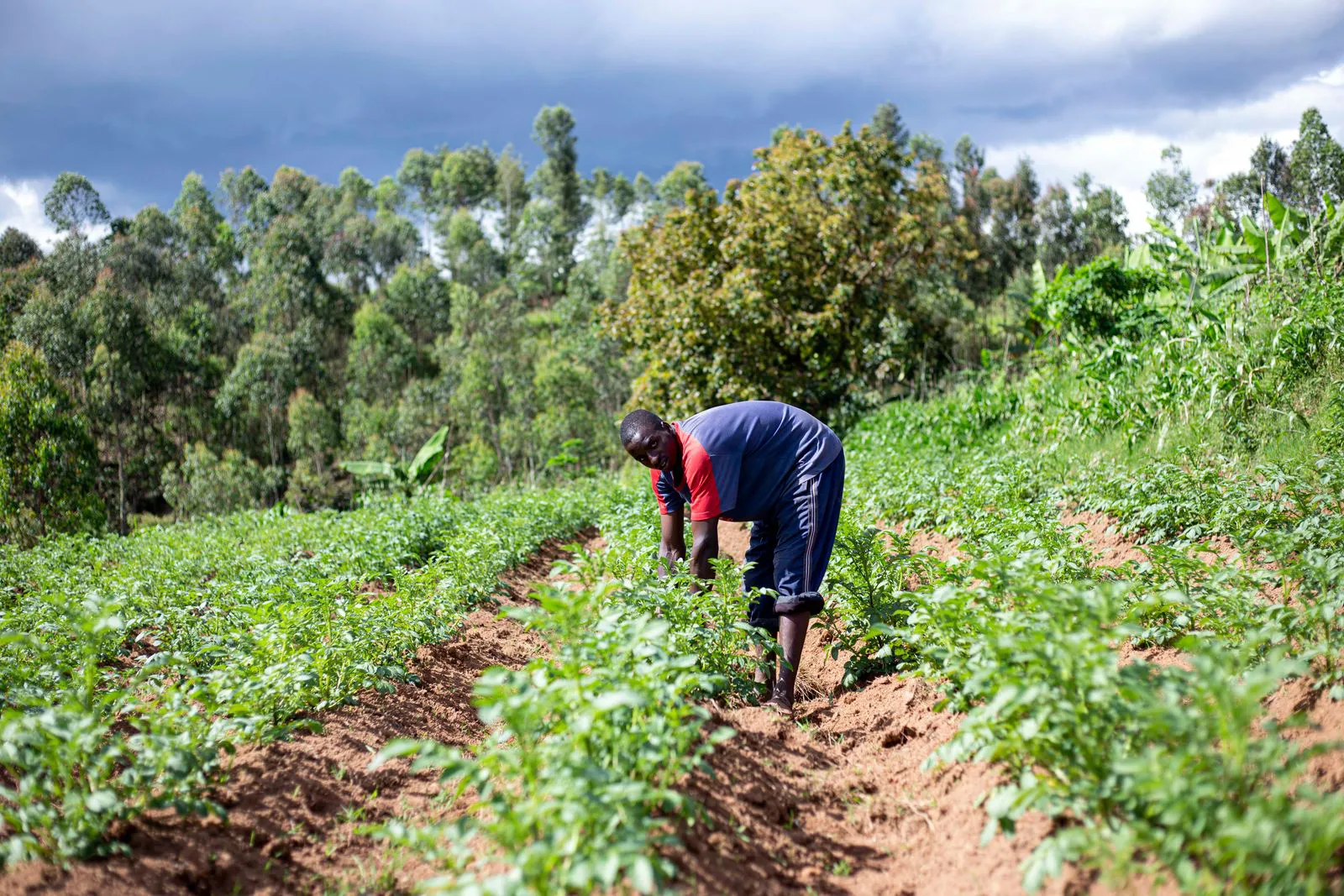
A territory is not a collection of statistics. It is made up of economic flows, social practices, natural resources, institutions, memories and relationships of trust. Useful analysis connects these dimensions rather than treating them separately. It examines why some resources remain underused, why a policy reaches one group and misses another, and how a constraint might become a lever.
This systemic reading prevents generic responses. It helps formulate precise, situated problems that stakeholders recognise as real.
Combine evidence and lived experience
Quantitative data shows trends. Interviews, observation and collective spaces reveal the logic of action. Both are necessary. A figure may signal a gap; fieldwork helps explain barriers, adaptation strategies and solutions already in place.
Diagnostic quality also depends on the diversity of voices. Less visible groups, frontline workers and informal organisations often hold knowledge that is essential to decision-making.
Turn analysis into choices
A diagnostic is complete when it supports decisions. Findings must therefore be prioritised, connected to options and discussed with those responsible for action. Each option should clarify beneficiaries, available resources, risks, dependencies and early indicators of progress.
This transition from knowledge to action is central to territorial engineering: making the diagnostic a shared basis for choosing, planning and learning.
For your project
- Define the decisions the diagnostic must inform.
- Combine available data, observations and interviews.
- Present priorities, analytical limitations and possible options.
A project, study or training need?
Let’s discuss your project
Tell us about the territory, your needs and timeline to prepare an initial conversation.